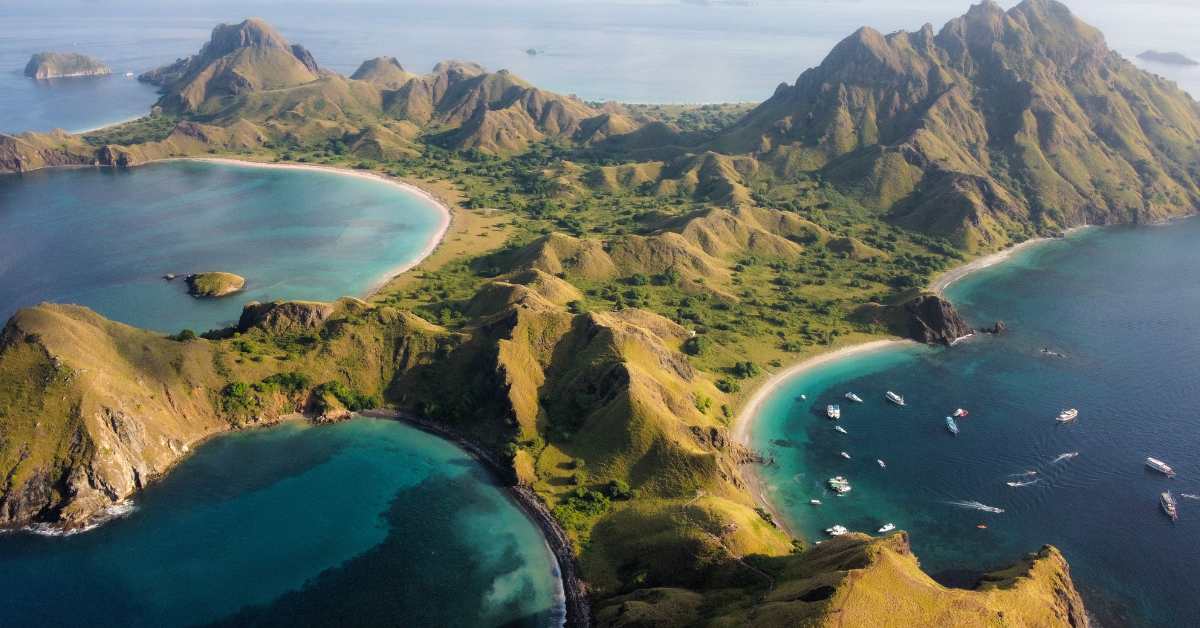


Komodo Island offers dragon treks, pink sand beaches, and world-class snorkeling, making it one of Indonesia’s most rewarding destinations to visit in 2026, especially now that a new daily visitor cap protects its fragile ecosystem.
Why Visit Komodo Island in 2026
Komodo National Park sits in East Nusa Tenggara and protects the last wild home of the Komodo dragon, the world’s largest living lizard. The park also holds some of the richest coral reefs on the planet, rare pink sand beaches, and dramatic hiking viewpoints that rank among the most photographed spots in Southeast Asia.
Starting April 1, 2026, the Indonesian government capped visits at 1,000 people per day across Padar Island, Rinca Island, and Komodo Island, along with 23 nearby dive sites. Officials made this move after the park recorded over 429,000 visitors in 2025, well above its sustainable carrying capacity of roughly 366,000 people a year. This means booking ahead is more important than ever if you plan to explore Komodo National Park in 2026.
Meet the Komodo Dragons
Seeing a Komodo dragon in the wild tops nearly every visitor’s list, and it’s the one animal encounter you truly cannot have anywhere else on Earth. These giant lizards can grow past 3 meters long and rely on a powerful bite and sharp claws to hunt, so rangers always accompany guided treks.
You can spot dragons on both Komodo Island and Rinca Island, though Rinca tends to be quieter and less crowded. Rangers carry forked sticks to keep a safe distance between dragons and tourists, and guides recommend staying at least a few meters back at all times.
- Always walk with a licensed park ranger, never alone
- Keep a safe distance and avoid sudden movements or loud noises
- Visit early morning when dragons are most active and easier to spot
- Wear closed shoes since trails can be dusty and uneven
Hike Padar Island’s Viewpoint
Padar Island’s summit trek delivers one of the most iconic views in Indonesia: three curved bays with white, black, and pink sand stretching out below jagged green hills. The climb takes about 30 to 45 minutes on a stepped path, and most tours time it for sunrise to avoid the midday heat and catch the best light for photos.
Because of the new visitor cap, arriving early is no longer just a comfort choice, it also improves your odds of securing a same-day slot during peak season. June through August draws the biggest crowds, so shoulder months like April, May, September, and October offer a calmer experience with similarly good weather.
Relax on Pink Beach
Pink Beach earns its name from tiny fragments of red coral mixed into the white sand, creating a soft blush color that’s rare anywhere else in the world. Komodo National Park actually has two well-known pink beaches, one on Komodo Island itself called Pantai Merah, and another on the southern side of Padar Island.
The water here stays calm and shallow near shore, which makes it a great spot for beginner snorkelers to see coral gardens just a few meters out.
Snorkel and Dive Top Sites
Komodo National Park protects some of the most biodiverse reefs on the planet, and its currents create ideal conditions for manta rays, reef sharks, and sea turtles. Manta Point is the star attraction, where snorkelers regularly swim alongside manta rays gliding through the current.
Divers with more experience should aim for Batu Bolong, known for strong currents and dense marine life, while newer snorkelers will feel more comfortable at Kanawa or Siaba.
Watch Flying Foxes at Kalong Island
As the sun sets near Kalong Island, thousands of flying foxes lift off from the mangroves and fill the sky in a display that many travelers call a trip highlight. Boats typically time this stop for late afternoon so guests can watch the bats emerge just as the light turns golden.
This stop works well paired with a full day of island hopping, since it requires no hiking or swimming and offers a relaxed way to close out a busy day on the water.
Explore Beyond the Park
Labuan Bajo, the main gateway town, offers its own attractions worth a day or two before or after your boat trip. Batu Cermin Cave sits just outside town and features natural skylights that light up limestone formations inside.
- Batu Cermin Cave: limestone caves with natural light beams
- Local seafood markets: fresh catch and casual dining near the harbor
- Amelia Sea View Hill: popular sunset viewpoint over the bay
- Kelor Island: a short hike with panoramic harbor views
Choosing the Right Tour Type
Most visitors reach Komodo National Park through one of three tour formats, and picking the right one depends on your budget, time, and comfort with boat travel.
Day trips cover the highlights efficiently but skip more remote dive sites, while liveaboards let you reach farther spots and wake up already anchored near the next stop. Private charters cost more but offer full control over pacing, meals, and which islands you visit.
Best Time to Visit
Timing shapes almost everything about a Komodo trip, from sea conditions to crowd size. The dry season, roughly April through November, brings calmer seas and clearer skies, making it the most reliable window for boat travel and hiking.
- Peak months: June to August (busiest, but classic dry-season weather)
- Shoulder season: April–May and September–October (fewer crowds, still good conditions)
- Avoid if possible: January–February (heavy rain, rougher seas)
Because of the 2026 visitor quota, shoulder season now offers a real advantage beyond just weather, since it’s easier to secure permits when fewer tourists compete for the same daily slots.
Sample 3-Day Itinerary
A short but well-paced trip can still cover the park’s biggest highlights without feeling rushed.
- Day 1: Arrive in Labuan Bajo, settle in, watch sunset at Amelia Sea View Hill
- Day 2: Sunrise hike on Padar Island, swim at Pink Beach, snorkel at Taka Makassar
- Day 3: Trek with rangers on Komodo or Rinca Island, snorkel at Manta Point, return to Labuan Bajo
Travelers with more time can extend this into 5 to 7 days to add Rinca Island, Batu Bolong diving, and Kalong Island’s bat colony.
Practical Tips for 2026
Booking ahead matters more this year than in previous seasons because of the new daily cap on visitors. Officials expect overall 2026 numbers to stay close to 2025 levels, meaning popular days can still fill up fast during peak months.
- Book tours and permits at least a few weeks ahead during June–August
- Bring reef-safe sunscreen, sturdy walking shoes, and a reusable water bottle
- Carry cash, since remote islands have no ATMs or card payment options
- Pack light rain gear even in dry season for sudden coastal showers
Frequently Asked Questions
How many days do you need for Komodo Island?
Most travelers spend 3 to 5 days comfortably seeing Padar Island, Pink Beach, Komodo dragons, and a few snorkeling spots without rushing.
Is it safe to see Komodo dragons up close?
Yes, as long as you stay with a licensed park ranger and keep your distance, since rangers are trained to manage dragon behavior during treks.
Do I need a permit to visit Komodo National Park in 2026?
Yes, all visitors need an entrance permit, and the park now enforces a daily cap of 1,000 visitors across its main sites starting April 2026.
What is the best month to visit Komodo Island?
April, May, September, and October offer calm seas and fewer crowds compared to the busier June to August peak season.
Are the pink beaches actually pink in person?
Yes, though the color looks more like a soft pastel blush rather than the vivid pink often seen in edited photos online.